About HRC
A journey of compassionate service, rehabilitation and inclusive development since 1959.
Rawttakuppam Hemerijckx Rural Centre Social Service Society
HRC is committed to uplifting underprivileged people and fostering a better tomorrow. Its work focuses on education, health, livelihood, women and child development, bio-agriculture and environmental sustainability.
Established in 1959, HRC began with a mission to support persons affected by leprosy, tuberculosis and disability and help them lead independent lives with dignity. Over time, its work expanded to women, children, youth and families living below the poverty line.
Founder & Early Mission
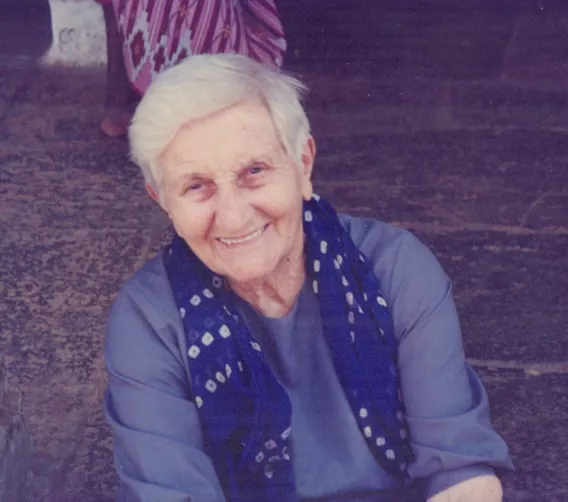
Rev. Sr. Marie Regina, a nun-sister and missionary from France, founded the organization in 1959. Her work began with services for people affected by leprosy, tuberculosis and disability, as well as women and children, and later grew into a wider community-based rehabilitation and development effort.
An inclusive world with dignity and hope
To create an inclusive world where persons affected by leprosy, tuberculosis and disability, along with women, children, youth, farmers, orphans and underprivileged people, can live with dignity, independence and hope.
Support, rehabilitate and empower
Provide rehabilitation, education, vocational skills, medical initiatives and resources that help vulnerable individuals and families build self-reliant lives with self-respect.
Compassion, service and inclusion
HRC serves people regardless of religion, caste, race, ethnicity or gender and works to create sustainable social transformation.
Holistic services for health and community development
Medical & Rehabilitation
Dispensary and laboratory services, patient care, physiotherapy, referral, disability prevention, ulcer care, aids and appliances.
Education & Skills
Pre-school support, special education, computer, typewriting and tailoring training for children and youth.
Community Development
Women’s self-help groups, bio-agriculture, livelihood activities, health awareness and rural development initiatives.